Machine Stitching vs Hand Stitching in Leather Repair
Most leather items do not fail because the leather failed. They fail at the seam. Thread abrades, breaks, and then the load transfers to the next stitch along until the whole line opens up. What happens next depends entirely on whether the seam was made by machine or by hand stitching.
First, identify the original stitch
Look closely at the seam. If the stitches sit straight and perpendicular to the seam line, and the thread on the reverse forms a mirror pattern, it is a machine lockstitch. If the stitches sit at a slant, forming a repeating diagonal on both faces, it is hand stitching — specifically a saddle stitch, made with two needles passing through the same hole from opposite sides.
Why hand stitching fails differently
A lockstitch is one continuous thread knotted inside the material. Cut it anywhere and tension releases along the whole run, so a single abrasion point can unzip half a seam. Hand stitching locks each hole independently, because the two threads cross inside the leather rather than looping around each other. Break one stitch and the two beside it hold. That single difference decides how the repair is done.
Repairing a machine seam
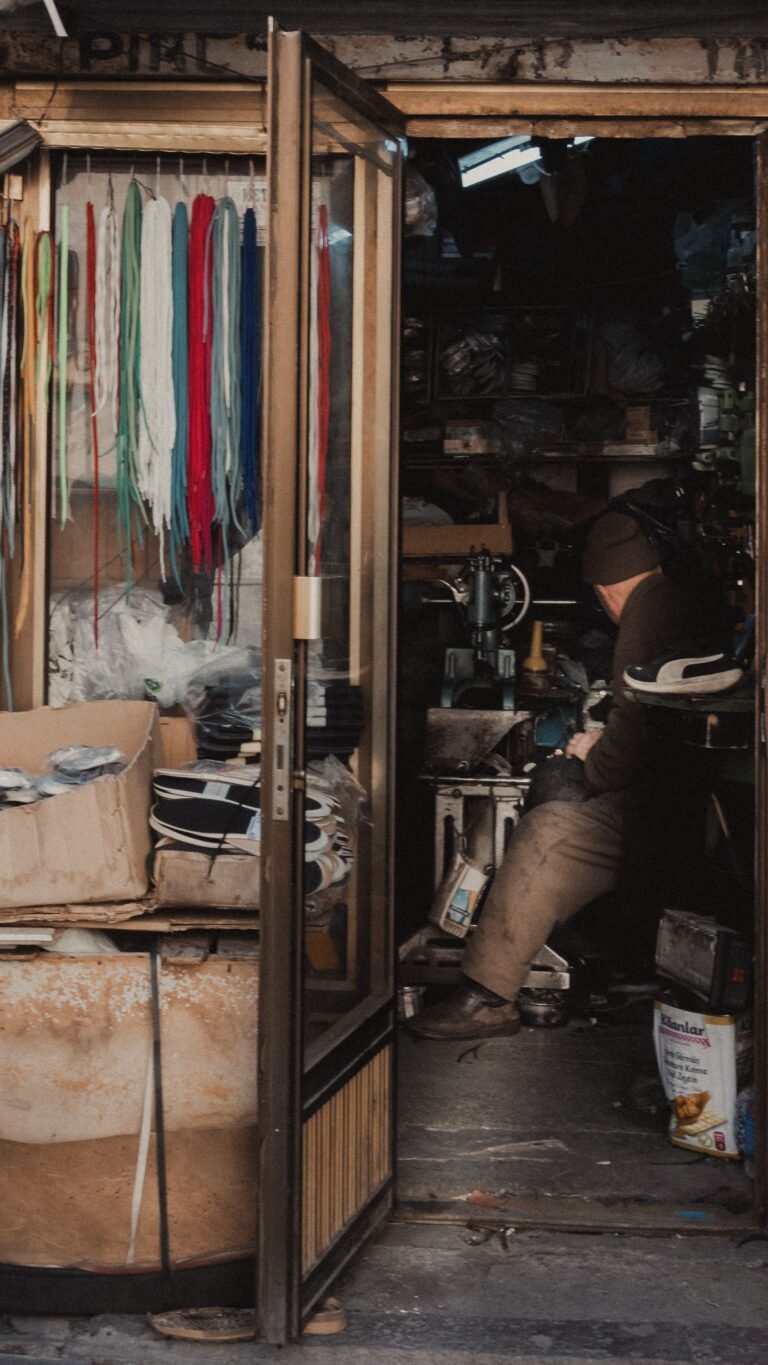
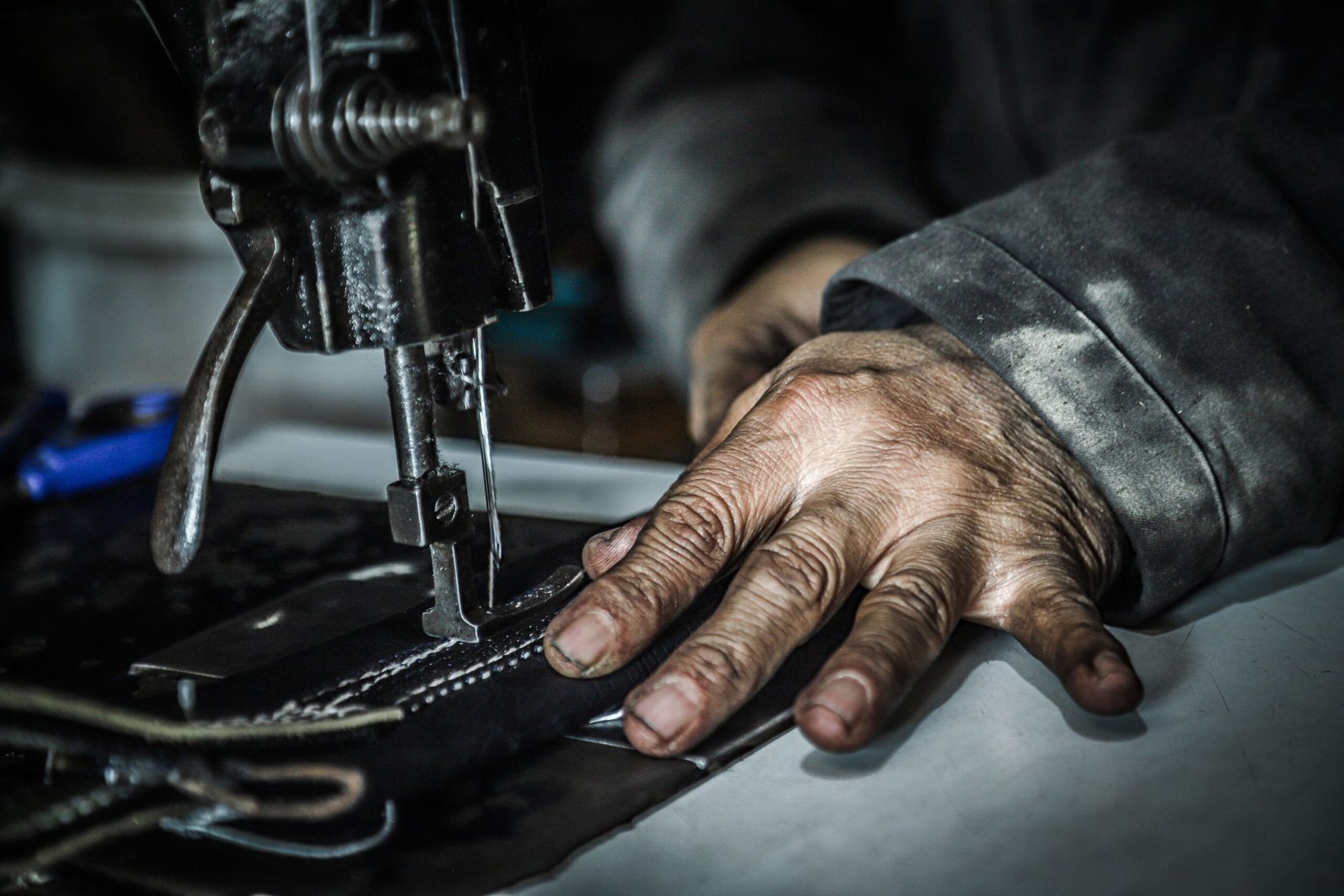
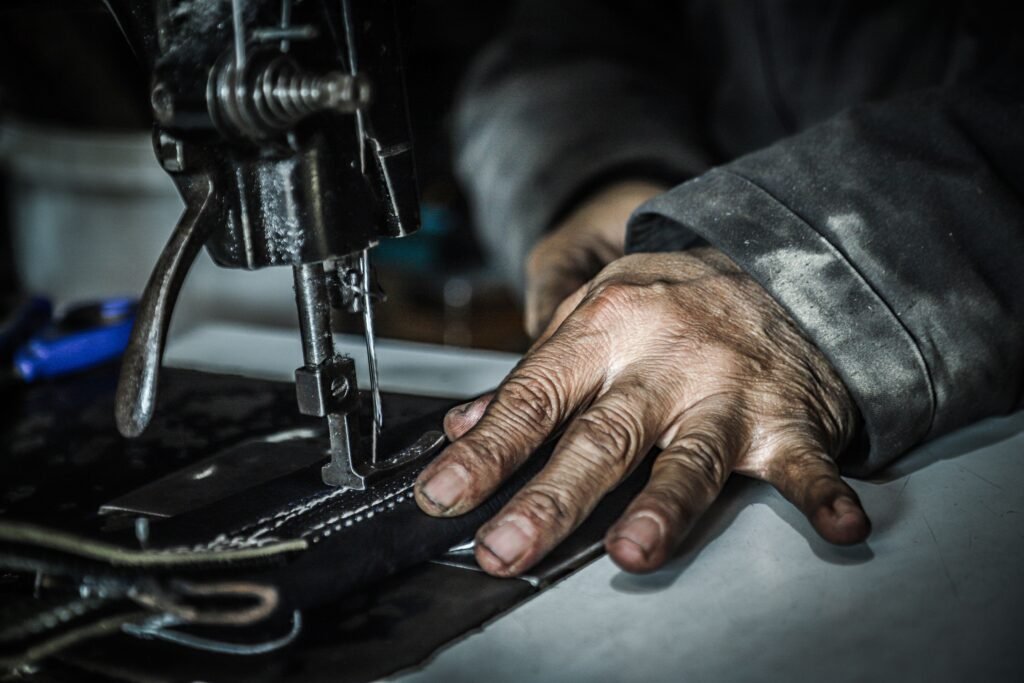
The correct repair is a machine repair, using the existing holes. Re-piercing leather next to old holes weakens it — the perforations end up close enough to tear through. A cylinder-arm walking-foot machine is the standard tool, because it feeds thick material from both sides and can reach inside bags and boots.
Thread choice matters: bonded nylon or polyester, size 69 to 138 depending on the piece, heavier for bags and heavy straps. Cotton thread rots. Avoid it.
Repairing a hand-stitched seam
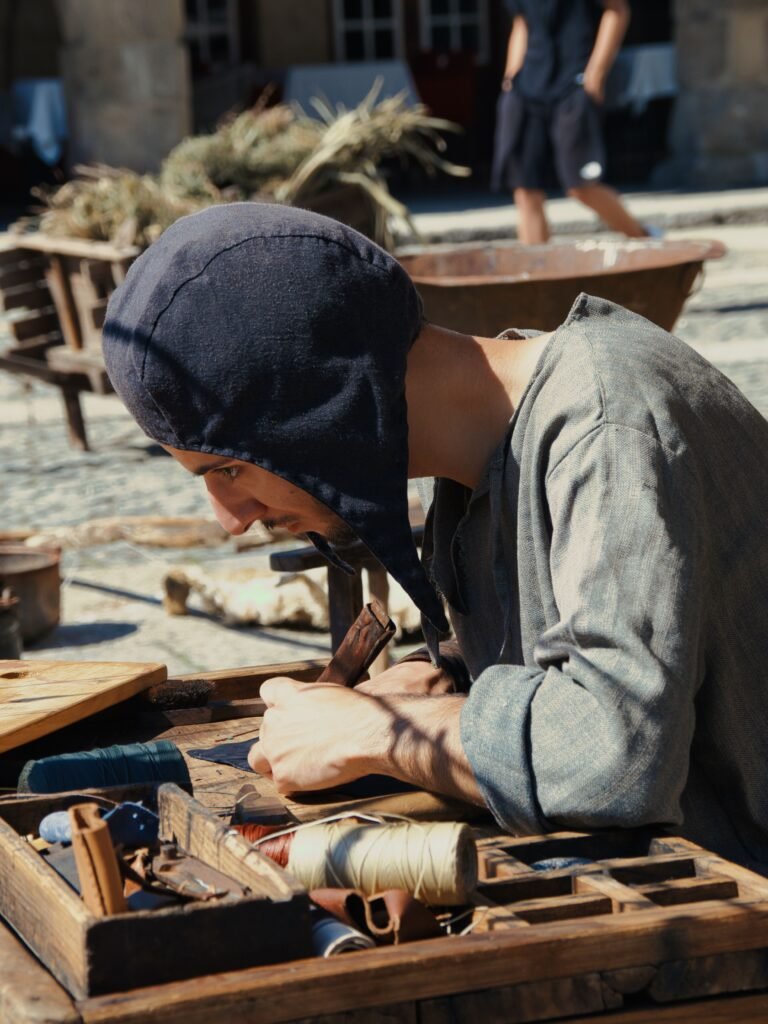
Here you have an advantage. Because each hole is locked independently, you can often repair only the failed section. Remove the broken thread back to two intact stitches on either side, then restitch through the original holes, overlapping those two stitches at each end to lock the new work in.
Hand stitching also needs no machine access, which is why it is the only option on the inside of a finished bag, on a rolled handle, or anywhere a presser foot cannot physically reach. The tools involved have barely changed — see the hand tools that still matter for what a saddle stitch actually requires.
Matching the new thread
Use the same weight as the original, not heavier. Oversized thread fills the hole, stretches it and starts a tear. Match the colour to the existing line rather than to the leather, and wax linen thread before hand stitching so it grips itself and resists abrasion. On veg-tan the new stitching will darken with the leather over time; on pigmented finishes it will not, which is one more reason to know how the piece was dyed.
When not to repair
If the leather itself has torn along the stitch line — a line of holes joined into a slit — restitching will simply tear again. That needs a reinforcement patch bonded to the reverse and a new stitch line set back into sound material. If the leather has gone dry, cracked and papery through the body of the panel, no stitch will save it. Most of that damage is preventable with basic leather care.
A note on glue
Contact cement holds pieces in position for stitching, whether you are using a machine or hand stitching. It is not the repair. Any leather repair that relies on adhesive alone to carry load will fail again, usually within months.
Before buying anything, ask which stitch it uses and whether the maker will repair it. Sellers who saddle-stitch will say so without being asked; the question is on our online buying checklist for exactly that reason. Standards for the material itself are audited separately by the Leather Working Group.