
Leatherworkers Tools: The Essential Kit Explained
There is something satisfying about holding a finished leather project in your hands and knowing that you made it yourself. A flat piece of hide can become a wallet, belt, bag, watch strap, or keychain when you have the right skills—and the right tools.
If you are just getting started, though, choosing your first leatherworkers tools can feel confusing. Walk into a leathercraft store or browse an online catalog and you will quickly find knives, punches, awls, chisels, bevelers, skivers, mauls, slickers, and dozens of other tools.
The good news is that you do not need all of them.
You can build a practical leatherworking kit gradually, starting with the leatherworkers tools you will use on almost every project. As your skills develop, you can add specialized equipment that matches the type of leatherwork you enjoy.
This guide explains the essential leatherworkers tools, what each one does, and how you can choose the right equipment without wasting money.
What Are Leatherworkers Tools?
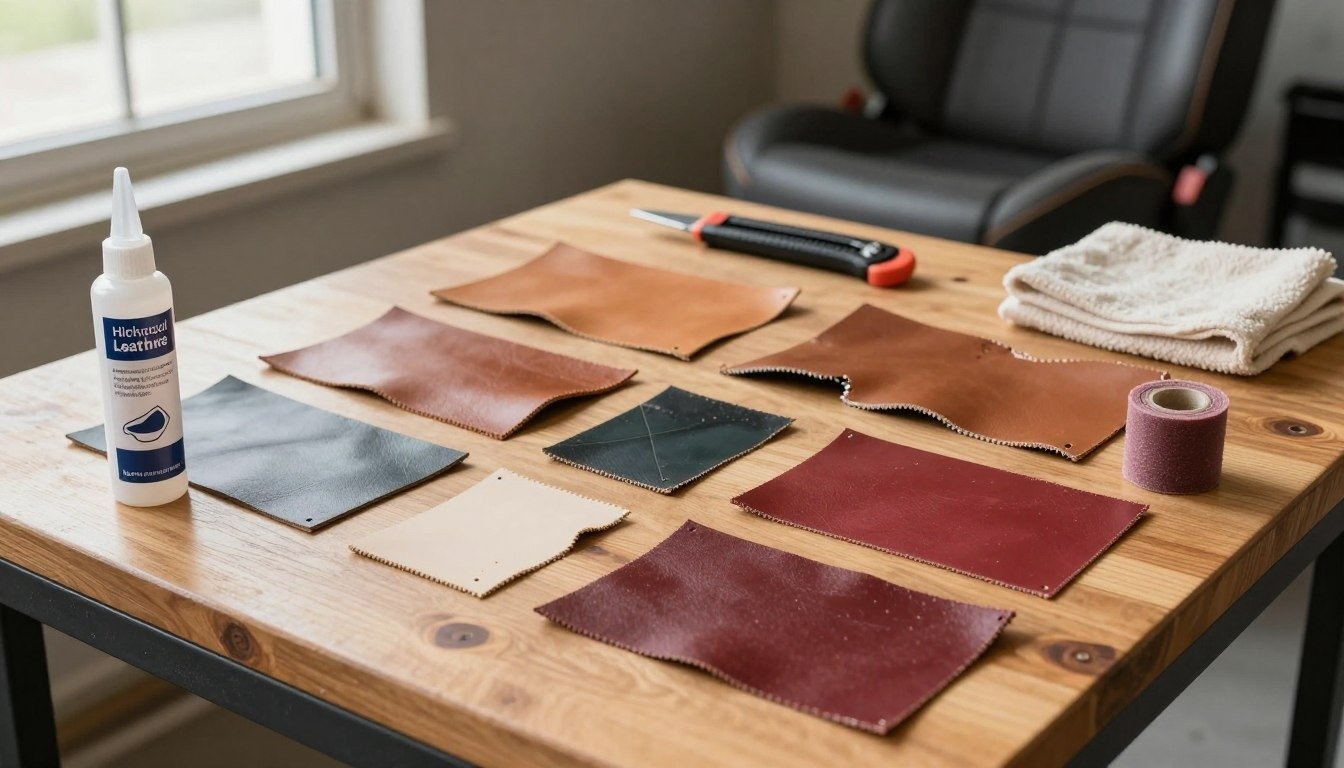
Leatherworkers tools are the knives, punches, measuring equipment, stitching tools, finishing tools, and specialized equipment used to cut, shape, join, decorate, and finish leather.
Some leatherworkers tools perform several jobs, while others are designed for a very specific task. Your ideal collection depends largely on what you plan to make.
For example, a person making simple leather keychains needs a much smaller setup than someone producing professional leather bags or carving elaborate decorative patterns.
Why the Right Leatherworkers Tools Matter
The leatherworkers tools you choose directly affect the quality of your work.
Good leatherworkers tools can help you achieve:
- Cleaner and more accurate cuts
- Consistent stitching holes
- Better-fitting leather pieces
- Smoother edges
- More attractive decorative details
- Less wasted leather
- Greater control during difficult operations
You should not assume that the most expensive tool is automatically the best choice. What matters is whether the tool is appropriate for your project, comfortable to use, and capable of producing consistent results.
The Essential Leatherworkers Tools Every Beginner Needs
When you are building your first kit, concentrate on leatherworkers tools that solve the most common leatherworking problems: measuring, cutting, marking, punching, stitching, and finishing.
1. Leather Knife or Utility Knife
Cutting is one of the first operations you will perform on almost every project.
A sharp utility knife can be enough when you are starting. As you gain experience, you may choose a dedicated leather knife designed for greater control and repeated cutting.
Your cutting tool should allow you to:
- Follow patterns accurately
- Cut straight lines
- Trim small areas
- Work around curves
- Separate individual project pieces cleanly
A dull blade is usually more difficult to control than a sharp one. Instead of forcing the knife through the leather, maintain the blade properly and let it do the work.
2. Cutting Mat
A cutting mat gives you a stable surface while protecting your workbench.
A self-healing cutting mat is particularly useful because it is designed to withstand repeated cuts without becoming unusable immediately.
Choose a mat large enough for the projects you expect to make. If you regularly work with large pieces of leather, a small craft mat can quickly become frustrating.
3. Steel Ruler and Measuring Tools
A good metal ruler is one of the simplest but most useful leatherworkers tools you can own.
You can use it to:
- Measure project dimensions
- Mark cutting lines
- Guide your knife
- Check symmetry
- Position stitching lines
A steel ruler is preferable to a flexible plastic ruler when cutting because the edge provides a firm guide for your blade.
4. Scratch Awl
The scratch awl is a surprisingly versatile tool.
You can use it to mark leather, transfer pattern points, create small openings, and help position stitching.
When you need to make a precise mark without removing much material, an awl gives you excellent control.
5. Leather Punches
Leather punches create holes for stitching, rivets, snaps, buckles, and other hardware.
Common options include:
- Round drive punches
- Rotary punches
- Slot punches
- Oblong punches
- Specialized hardware punches
The correct punch depends on the hole you need.
For example, a belt may require larger round holes and elongated slots, while a wallet may require much smaller holes for stitching.
6. Stitching Chisels and Pricking Irons
If you plan to hand-stitch leather, these leatherworkers tools are essential.
Stitching chisels and pricking irons create evenly spaced holes along a stitching line. Their spacing affects both the appearance and strength of your finished project.
When choosing one, pay attention to:
- Tooth spacing
- Number of teeth
- Tooth shape
- Leather thickness
- Type of stitching you intend to use
Consistent spacing can make even a simple project look considerably more professional.
Leather Stitching Tools for Strong, Professional Seams
Hand stitching remains an important part of leathercraft because it gives you precise control and does not require an industrial sewing machine.
Needles and Waxed Thread
Leatherworking needles are generally designed to withstand repeated stitching through relatively dense material.
You will also need suitable thread. Common choices include:
- Waxed polyester thread
- Waxed nylon thread
- Linen thread
Thread thickness should match the scale and construction of your project. Very thick thread can overwhelm a delicate wallet, while extremely thin thread may look inappropriate on a heavy belt.
Stitching Pony
A stitching pony holds your leather securely while you sew.
This becomes especially useful when performing a saddle stitch because you can use both hands to manipulate your needles and thread.
You can begin without one, but a stitching pony can make longer stitching sessions much more comfortable.
Overstitch Wheel
An overstitch wheel can help you mark evenly spaced stitch positions.
It is particularly useful if you need repeatable spacing and want to establish a clean stitching line before punching your holes.
Leather Edge Finishing Tools
A project can have accurate cuts and beautiful stitching but still look unfinished if the edges are rough.
That is why edge finishing deserves attention.
Edge Beveler
An edge beveler removes the sharp corner from the edge of your leather.
This creates a more rounded profile and prepares the edge for later finishing.
The correct beveler size depends on the thickness and type of leather you are using.
Edge Slicker and Burnishing Tools
Burnishing compresses and smooths the leather fibers along an edge.
You can use:
- Wooden slickers
- Canvas
- Burnishing compounds
- Specialized powered equipment
A properly prepared edge can feel smoother and look considerably cleaner.
Sandpaper
Sandpaper helps you remove uneven areas and prepare an edge for burnishing.
Rather than trying to fix a rough edge with one aggressive sanding pass, work gradually. Your goal is to create an even surface before applying your chosen finishing method.
Leather Skiving and Thickness-Adjustment Tools
Skiving means removing material from part of the leather to reduce its thickness.
This is particularly useful when several pieces overlap.
Leather Skiving Knife
A skiving knife can help you:
- Thin folded edges
- Reduce bulk
- Prepare layered constructions
- Create cleaner folds
- Taper leather edges
Skiving takes practice. You should work carefully and practice on scrap leather before attempting it on an expensive hide.
Safety Skivers and Skiving Machines
If you produce leather goods frequently, you may eventually consider more specialized skiving equipment.
A dedicated machine can save time in production environments, but it is usually unnecessary for someone learning the craft or making occasional personal projects.
Leather Stamping and Carving Tools
Not all leatherworking is about construction. You can also use leather as a surface for decoration.
Swivel Knife
A swivel knife is commonly used to cut controlled decorative lines into tooling leather.
It allows you to establish the basic outlines that guide subsequent carving and stamping.
Leather Stamps
Leather stamps come in many shapes and designs.
You can find tools for:
- Borders
- Backgrounds
- Floral patterns
- Geometric designs
- Letters and numbers
- Decorative textures
A small selection is enough to start experimenting. You can expand your collection as you develop your own style.
Mallets and Mauls
A leatherworking maul or mallet transfers controlled force to stamps and punches.
Avoid treating an ordinary metal hammer as a universal replacement. The wrong striking tool can damage equipment and make controlled tooling more difficult.
Tools for Setting Leather Hardware
Hardware adds both function and visual interest to leather goods.
Depending on your projects, you may work with rivets, snaps, buckles, buttons, or other fittings.
Rivet Setters
Rivet setters allow you to install different types of rivets securely.
Before buying one, identify the hardware you actually intend to use. Different rivet systems can require different setting tools.
Snap and Button Setting Tools
Snaps and buttons are commonly used on bags, pouches, cases, clothing accessories, and other projects.
Correct alignment is important. Even a high-quality snap can look poor if it is installed off-center.
Hole Punches for Hardware
The hole must generally be appropriate for the hardware being installed.
A hole that is too large may result in a loose fitting, while a hole that is too small can make installation difficult and potentially damage the leather.
Leatherworkers Tools for Different Projects
You do not need the same equipment for every type of leather project.
| Leather Project | Essential Tools |
|---|---|
| Wallet | Knife, ruler, mat, punches, stitching chisels, needles, thread |
| Belt | Knife, ruler, strap cutter, punches, beveler, hardware setters |
| Leather Bag | Knife, ruler, punches, stitching tools, skiving tools |
| Watch Strap | Precision knife, punches, stitching tools, skiving tools |
| Keychain | Knife, punch, rivet setter, edge-finishing tools |
| Tooling Project | Swivel knife, stamps, maul, beveler, background tools |
This is one of the easiest ways to avoid overspending. Start by identifying your first three or four projects, then purchase tools that those projects actually require.
Beginner Kit vs. Professional Leatherworking Kit
Beginner Leatherworking Kit
A practical starter kit can include:
- Utility or leather knife
- Cutting mat
- Steel ruler
- Scratch awl
- Basic punches
- Stitching chisels
- Needles
- Thread
- Edge beveler
- Sandpaper
- Mallet
- Basic hardware-setting tools
That is enough to make a surprising number of useful leather goods.
Intermediate Leatherworking Kit
As your skills improve, you can add:
- Better-quality knives
- Additional punch sizes
- Skiving tools
- Edge slickers
- Multiple stitching tools
- Specialized hardware equipment
- Better measuring and marking equipment
Professional Leatherworking Kit
Professional production may require equipment such as:
- Dedicated skiving machines
- Sewing machines
- Arbor presses
- Powered burnishers
- Specialized cutting equipment
- Larger collections of punches and dies
You should only make these investments when they solve a real production problem.
How to Choose the Best Leatherworkers Tools
Before buying another tool, ask yourself what problem it will solve.
Consider Your Leatherworking Style
Your leatherworkers tools should match your interests.
If you primarily make wallets, you will probably prioritize precision cutting, stitching, skiving, and edge finishing.
If you make belts, you may need strap-cutting equipment and larger punches.
If you enjoy decorative tooling, stamps, swivel knives, bevelers, and mauls become much more important.
Consider Leather Thickness
Leather thickness affects almost every stage of construction.
It influences:
- Blade selection
- Punch size
- Stitching
- Skiving
- Edge finishing
- Hardware selection
Always consider the leather you are actually using instead of buying tools based only on a generic starter list.
Don’t Confuse Price With Quality
A more expensive tool is not automatically the right tool for you.
A sensible approach is to spend more on tools you use constantly—such as your primary knife or stitching tools—while keeping less frequently used equipment simple until you know you need an upgrade.
How to Maintain Your Leatherworkers Tools
Good maintenance protects your investment and helps you produce better work.
Keep Cutting Tools Sharp
Inspect your blades regularly.
A properly maintained cutting edge gives you better control and can reduce the force required to cut leather.
Prevent Rust and Corrosion
Keep metal tools clean and dry.
If your workspace is humid, pay particular attention to punches, chisels, knives, and other steel equipment.
Store Tools Safely
Use:
- Tool rolls
- Protective cases
- Blade guards
- Organized drawers
- Dedicated workbench storage
A tidy workspace also makes it easier to find the correct tool when you need it.
Common Leatherworking Tool Mistakes Beginners Make
When you are learning, avoid these common problems:
- Buying too many specialized tools immediately
- Working with dull blades
- Choosing the wrong punch size
- Using an inappropriate hammer
- Ignoring leather thickness
- Skipping edge finishing
- Neglecting tool maintenance
- Buying tools solely because they look professional
- Practicing directly on expensive leather
- Ignoring basic workshop safety
Your first projects are also your training ground. Keep scraps from your leather cuts and use them to test punches, finishes, stitching, and skiving techniques.
Essential Safety Tips When Using Leatherworkers Tools
Leatherworking involves sharp blades, punches, and striking tools, so you should build safe habits from the beginning.
Cutting Safety
Always maintain control of your blade and use a stable cutting surface.
Remember to:
- Cut away from your body
- Keep your free hand out of the blade’s path
- Store blades safely
- Replace damaged blades
- Keep your workspace well lit
Punching and Hammering Safety
Place your leather on an appropriate surface before punching.
Keep your fingers clear of the punch and use controlled strikes rather than excessive force.
Workspace Safety Checklist
Before starting a project, check that you have:
- Adequate lighting
- A stable workbench
- Organized tools
- Safe blade storage
- Enough working space
- Appropriate ventilation when using products that require it
How Much Does a Leatherworking Tool Kit Cost?
The cost of your setup depends heavily on what you make and the quality of equipment you select.
Budget Starter Kit
A basic kit can focus on the essential cutting, measuring, punching, and stitching tools needed for simple projects.
Mid-Range Kit
As you gain experience, you can invest in better-quality tools where precision and durability matter most.
Professional Setup
A production workshop can require considerably more investment because specialized machinery is designed to improve speed, consistency, and output.
Instead of setting a fixed budget based on someone else’s workshop, build your kit around your own projects.
Leatherworkers Tools FAQ
What leatherworkers tools do beginners need?
Start with a knife, cutting mat, steel ruler, scratch awl, punches, stitching chisels, needles, thread, an edge beveler, sandpaper, and a suitable mallet. You can add specialized tools later.
What is the most important leatherworking tool?
There is no single tool that is most important for every project. However, a reliable cutting tool is fundamental because accurate cutting is involved in most leather goods.
What leatherworkers tools are needed to make a wallet?
For a basic wallet, you will typically need a precision cutting tool, ruler, cutting surface, stitching tools, needles, thread, and equipment for finishing the edges. Skiving tools can also be useful when working with multiple layers.
Are expensive leatherworkers tools worth it?
They can be, particularly for tools you use frequently. However, beginners should not assume that the highest-priced option is necessary. Buy according to your skill level and projects.
Can you start leatherworking without a sewing machine?
Yes. Many leather projects can be completely hand-stitched. A machine becomes more useful when you need higher production speed or regularly work with projects suited to machine stitching.
What is the difference between a pricking iron and a stitching chisel?
Both are used to establish stitching holes, but their designs and intended techniques can differ. Your choice should depend on your preferred stitching method and the appearance you want.
How do you maintain leatherworkers tools?
Further Reading and Resources
Once your leatherworkers tools are ready, the next step is caring for the material itself. Our guide on how to clean leather covers safe products and technique, and if you are restoring an older piece, the car leather repair kit walkthrough shows how to fix cracks and tears step by step.
For deeper background on the craft and its traditions, see the Leather crafting overview on Wikipedia and the tanning and finishing terminology published by the Leather Working Group.
Keep cutting tools sharp, clean metal equipment, protect tools from moisture, and store everything safely. Regular maintenance can help your leatherworkers tools remain accurate and functional for years.
Conclusion: Build Your Leatherworkers Tools Kit With Confidence
You do not need a workshop full of equipment to begin leatherworking.
A small collection of dependable leatherworkers tools can take you surprisingly far. Start with the basics: a good cutting tool, accurate measuring equipment, punches, stitching supplies, and a few edge-finishing tools. Once you know what types of projects you enjoy, expand your collection around those needs.
The best leatherworking kit is not necessarily the biggest or most expensive one. It is the kit that gives you control over your work and contains the tools you actually use.
So choose one manageable project, gather the essential tools, and start practicing. Your first piece may not be perfect—and it does not need to be. Each cut, stitch, punch, and finished edge teaches you something that the next project will benefit from.
Ready to build your leatherworking kit? Start with the essentials, practice on scrap leather, and add new tools only when your projects demand them.